Project overview
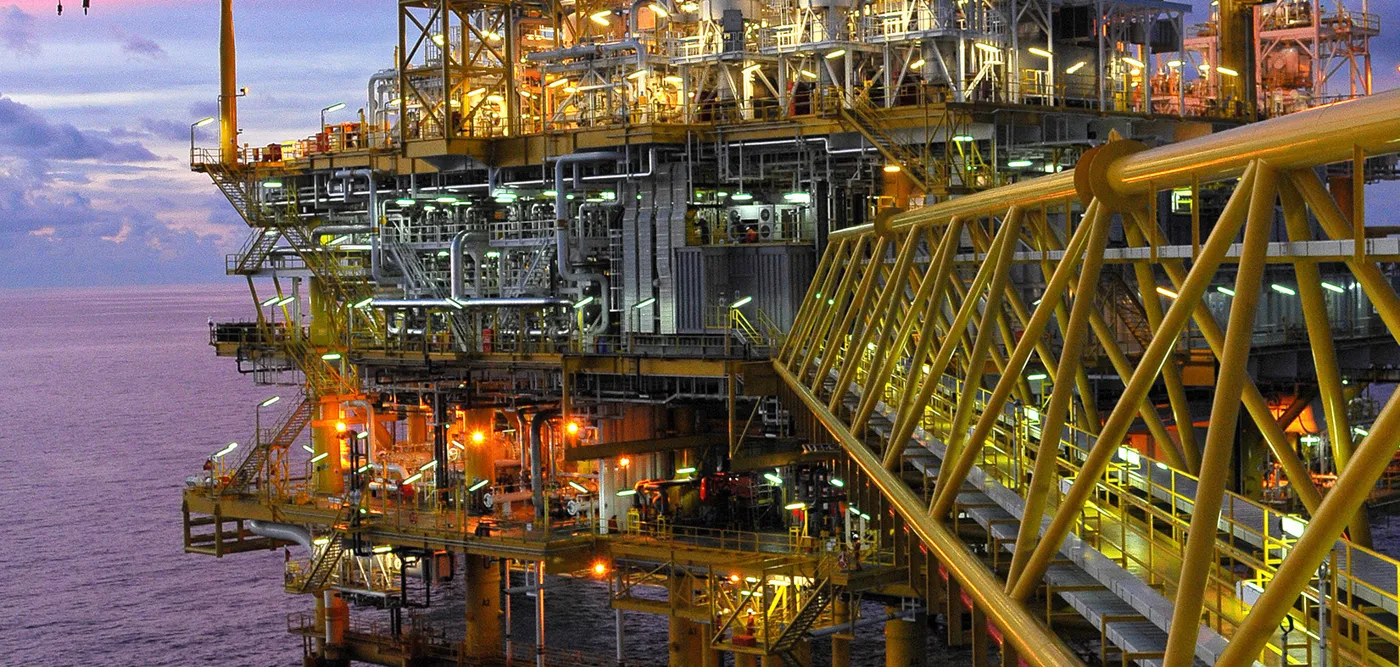
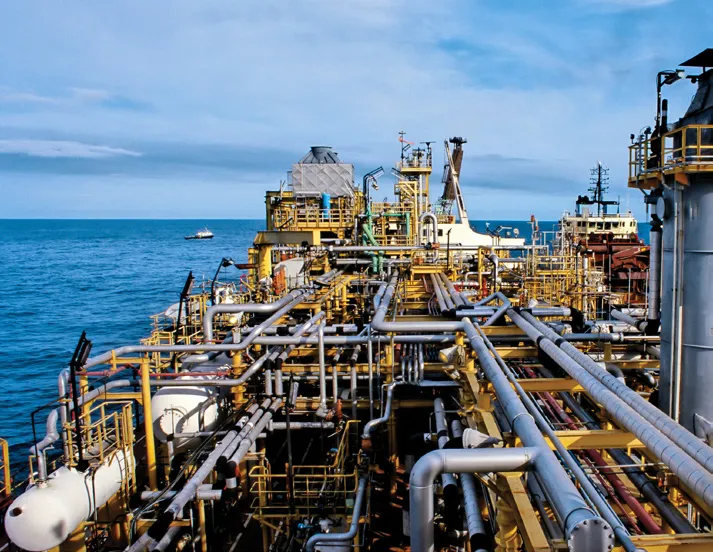
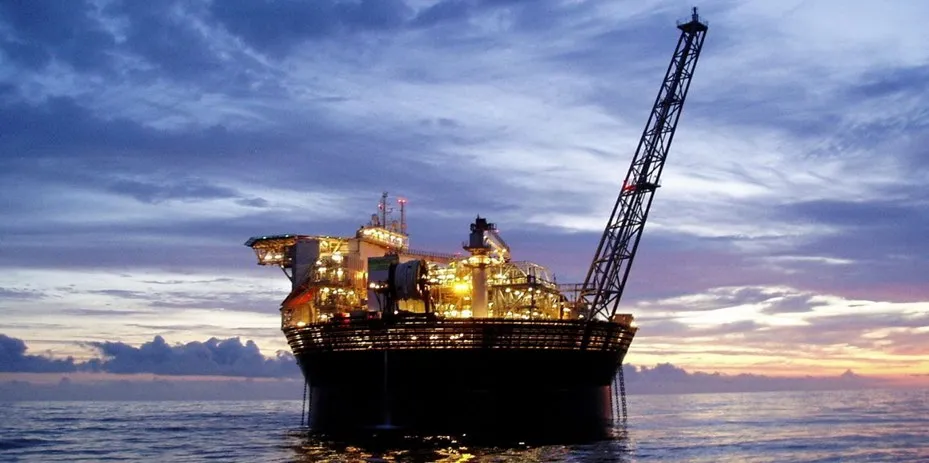
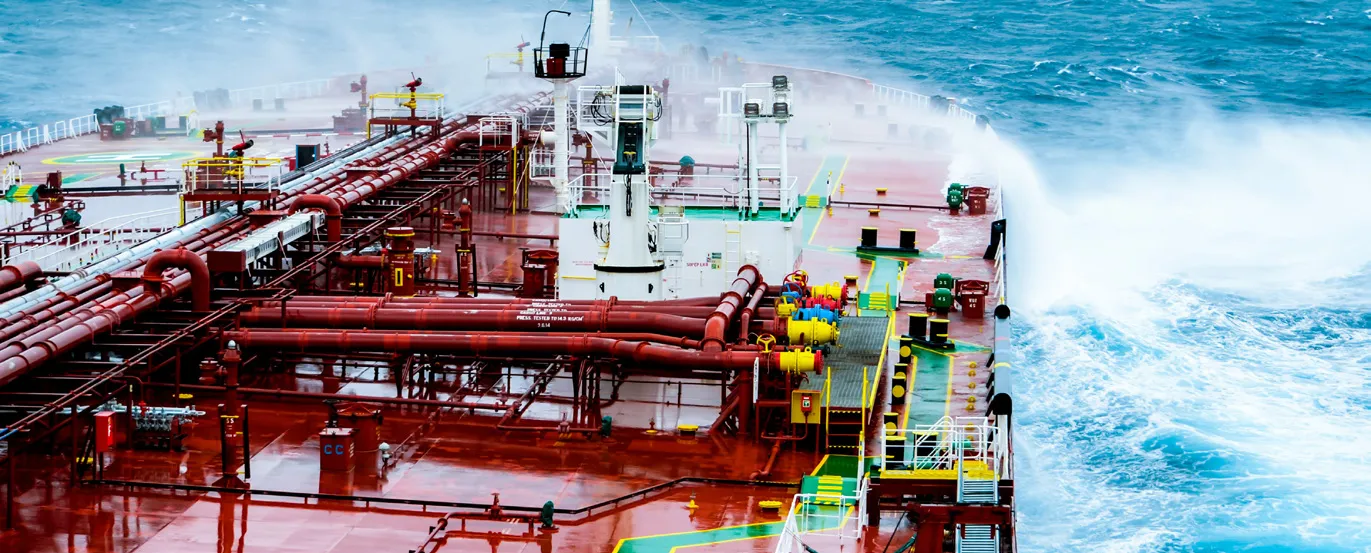
Imrandd was approached to conduct integrity assurance work on the ship side valves of an established installation in the North Sea. Assurance of valves guarding hull penetrations aboard an on-station asset is essential to ensure hull watertight integrity and is typically performed either via dive or ROV campaigns, or during dry-dock. Isolation of individual penetrations is made via bungs and cofferdams, prior to removal of inboard pipework and testing.
If it was not possible to complete in-situ, costly internal inspections and dry-docking – with the downtime and loss of revenue that go hand-in-hand with that – may have been the next steps.
The challenge
The client required an assurance solution that would satisfy regulatory requirements, but without availability of ROV or divers, this was not possible using conventional approaches within the required timeframes. There was an inherent risk during the work on board that in the event of a failure, the crew may not be able to satisfy full watertight integrity and ability to isolate pipework from the sea. The operator had concerns about the cost to the business, both of potential failure and of inspecting and assuring the conditions.
The solution
Imrandd presented an innovative means of evaluating valve integrity using a different testing methodology coupled with a sound method of approval, that did not require valves to be isolated from the sea via conventional cofferdam or bung methods. This approach enabled immediate and ongoing ship side valve testing at no operational cost, with no equipment mobilisation and minimal vessel bed space.
An initial screening exercise identified the potential leakage rates posed by failure of all valves and, in line with regulatory requirements governing watertight integrity, determined which valves required further testing. These valves were then subject to practical testing offshore using novel approaches to verify their leak rates. The output was a conclusive picture of the ship side valves' condition, the risks to and posed by each valve, and any mitigations required to further manage hull watertight integrity.
Benefits
- No operational disruption
- Satisfied regulatory requirements
- Correct risk prioritisation – the operator could clearly see where and when inspection and remedial work was required based on risk posed by failure
- Overcame offshore constraints – a testing strategy that was possible given offshore resourcing and equipment constraints
- Testing strategy provided as the basis for ongoing testing and management of these valves by the client's own offshore personnel
Conclusion
Imrandd's diligent consultancy approach produced a novel, alternative approach to testing. This delivered the assurance sought by the client and the regulator in the timeframe they had outlined, without resorting to ROV or dive resources. The method is now approved by the HSE in the UK. The successful testing campaign saved the operator time and budget, allowing them to confidently continue operating and make justified, cost-effective decisions about the future of their asset.